
Technological Iteration Of Testing Instruments Drives Quality Upgrades Across The Industry-HUST TONY
Technological iteration of testing instruments drives quality upgrades across the industry
Today, as global manufacturing transforms toward intelligence and high-end development, testing instruments, as the “eyes” and “judges” of industrial production, have their technological level directly determine the upper limit of product quality. From traditional manual sampling inspection to today’s intelligent full inspection, and from single-parameter measurement to multidimensional comprehensive analysis, the testing instrument industry is undergoing a profound technological revolution. This revolution has not only reshaped the testing industry itself, but also become a core driving force behind quality upgrading across the entire manufacturing sector. Amid this transformation, Dongguan Huake Dongni Instrument Co., Ltd. has emerged as a leading enterprise in the field of furniture testing instruments, thanks to its deep technical expertise and sustained innovation capabilities, making outstanding contributions to improving the quality of China’s furniture industry.
I. The Wave of Technological Iteration in the Testing Instrument Industry
In recent years, with the deepening of the concept of Industry 4.0 and the rapid development of technologies such as artificial intelligence and the Internet of Things, the detection instrument industry has presented four distinct technological trends:
1. The intelligent transformation from “standalone” to “networked”
Traditional detection instruments were mostly independent devices, with data requiring manual extraction and analysis. Modern detection instruments are generally equipped with network interfaces and intelligent control systems, which can directly connect to the factory’s MES (Manufacturing Execution System) or QMS (Quality Management System) to achieve automatic data upload, storage, and analysis. This transformation enables the traceability of quality data throughout the process, allowing enterprises to monitor quality fluctuations in the production process in real time, promptly identify and solve problems, and transform from “passive quality inspection” to “active quality control”.
2. AI technology deeply integrates into the detection process
Artificial intelligence technology is completely changing the face of the detection industry. By training a large number of defect samples, AI algorithms can automatically identify minor defects such as scratches, bubbles, and cracks on the product surface, with detection speed and accuracy far exceeding manual work. In the furniture industry, AI visual detection systems have been able to perform millisecond-level scanning and recognition on the surface of wood panels, increasing the single-shift inspection efficiency by 8 times and reducing the defect rate from 3% to 0.2%. At the same time, AI can also conduct statistical analysis on a large amount of detection data, helping enterprises identify production process bottlenecks and achieve continuous improvement.
3. Integration and multi-functionality become the mainstream
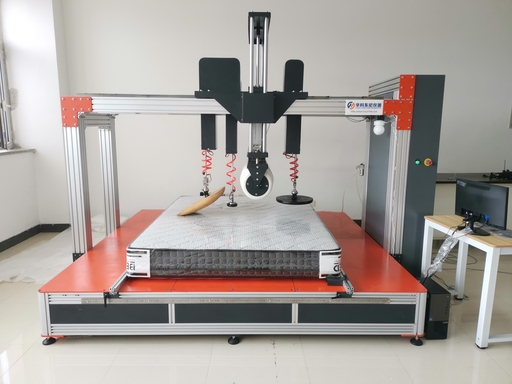
Modern detection instruments are no longer limited to measuring a single parameter but are developing towards integration and multi-functionality. One device can often complete multiple testing projects, significantly improving detection efficiency and reducing the enterprise’s procurement costs. For example, the Durability Comprehensive Test Instrument for Mattress Padding of Huakong Dongniu can complete the testing and measurement projects that previously required three machines using one instrument, and through advanced control systems and optimized structures, it makes the operation more reliable and the test data more accurate.
4. Modularization and portability meet diverse needs
With the diversified development of manufacturing, the flexibility requirements for detection instruments are also increasing. Modular design enables users to “assemble” different functional modules according to actual needs, achieving customized detection plans. At the same time, the emergence of portable detection equipment allows testing to be conducted not only in laboratories but also in production workshops, warehouses, and even customer sites, enabling “on-site testing, on-site data output, and on-site judgment”, significantly improving the timeliness of testing.
II. HUST TONY: Technological Innovation Drives the Development of Furniture Testing Instruments
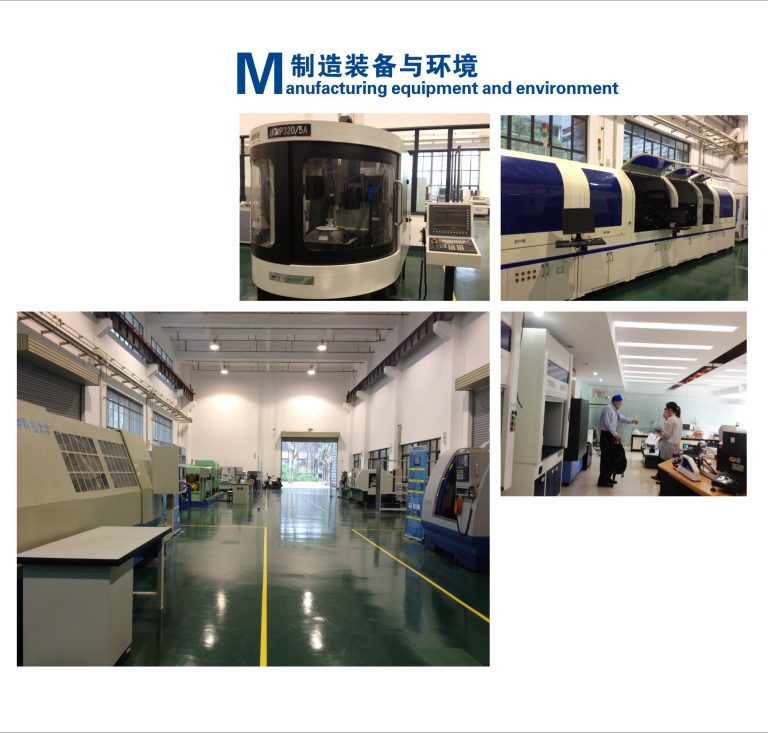
In the field of furniture testing instruments, HUST TONY from Dongguan stands out as a leader in technological innovation. Founded in 2006 and located in the Dongguan Huazhong University of Science and Technology Manufacturing Engineering Research Institute within the Songshan Lake High-Tech Industrial Development Zone of Dongguan City, the company brings together a core domestic team specializing in mechanical numerical control and software R&D. It focuses on the R&D and manufacturing of furniture testing instruments, textile testing instruments, toy testing instruments and other related equipment. With nearly two decades of development, HUST TONY has become a long-term supplier to SGS and TUV, the world’s largest testing organizations, and its products are exported to many countries and regions.
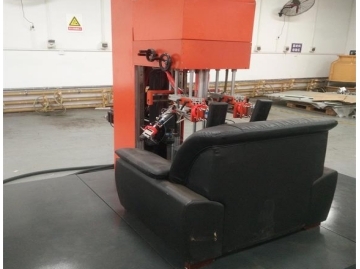
1. Strong R&D Capability as the Core Competitiveness HUST TONY always prioritizes technological innovation for corporate development. Leveraging the scientific research strengths of Huazhong University of Science and Technology, the company has built a high-caliber R&D team dedicated to the core technology development of testing instruments. It invests substantial funds annually in new product development and technological upgrading, continuously launching innovative products with independent intellectual property rights. For instance, its independently developed sofa comprehensive durability testing machine, mattress surface comprehensive durability tester and other products have reached internationally advanced technical performance levels, breaking the monopoly of foreign brands.
2. Intelligent Product Portfolio Covering Full-Range Testing Requirements HUST TONY boasts a complete product line of furniture testing instruments, covering five core categories: office furniture, upholstered furniture, solid wood / panel furniture, children’s furniture and outdoor leisure furniture. Its products comply with international and domestic standards including ISO, AATCC, ASTM, DIN, EN, GB, BS and JIS, and integrate cutting-edge intelligent technologies.
Take the mattress surface comprehensive durability tester as an example. Its main frame is made of high-strength industrial aluminum profiles, together with sheet metal components treated with advanced electrostatic powder spraying and baking finish, presenting a sleek, high-tech appearance. Equipped with a dedicated high-precision and high-intelligence ARAM controller and professional PC testing software, the instrument supports full software-based operation with a clear and user-friendly interface. Pre-programmed test routines are embedded in the software for one-click testing, enabling operators to get started quickly and cutting training time. Furthermore, the software displays real-time force and displacement values, generates multi-coordinate curve graphs, and supports exporting measurement results as editable test reports in Word format.
3. Rigid Quality Management System Guaranteeing Product Quality HUST TONY fully recognizes that the quality of testing instruments directly determines the accuracy of test results. For this reason, it has established a rigorous quality management system with strict controls over every procedure, from raw material procurement and production processing to finished product inspection. All instruments manufactured by the company undergo precise calibration and stringent testing to guarantee accuracy and reliability. Thanks to this persistent pursuit of quality, HUST TONY’s products have earned wide recognition from customers at home and abroad.
III. The Practice of Huakoudiuni in Promoting the Quality Upgrade of the Furniture Industry
HUST TONY is more than a supplier of testing instruments; it is also a driving force for quality upgrading across the furniture industry. By supplying advanced testing equipment and professional technical services, HUST TONY has helped numerous furniture enterprises improve product quality and strengthen their market competitiveness.
1. Helping Enterprises Establish a Sound Quality Control System For furniture manufacturers building a robust quality control system is critical to enhancing product quality. Beyond supplying high-quality testing instruments, HUST TONY delivers comprehensive turnkey laboratory solutions, including laboratory planning and design, instrument selection and configuration, staff training and technical support. Its professional technical team tailors optimal testing schemes based on clients’ actual requirements, assisting enterprises in setting up an end-to-end quality control system covering incoming raw materials through finished product delivery.
2. Promoting the Implementation of Industry Standards HUST TONY actively participates in the formulation and revision of national and industrial standards, integrating cutting-edge testing technologies and methods into standards to facilitate their continuous improvement. Meanwhile, the company disseminates standard-related knowledge to furniture enterprises via technical seminars and training workshops. This helps manufacturers understand and comply with the latest standard requirements, ensuring product conformity and improving market access capability.
3. Accelerating Domestic Substitution and Lowering Industry Testing Costs For a long time, the high-end furniture testing instrument market was dominated by foreign brands, which came with high price tags and delayed after-sales support, placing a heavy burden on domestic furniture enterprises. Through continuous technological innovation, HUST TONY has realized domestic substitution for high-end testing instruments. Its products match international brands in performance at a much lower price, substantially cutting testing costs for domestic furniture companies. Furthermore, HUST TONY has built a nationwide comprehensive after-sales service network that provides 24-hour rapid response to resolve customer issues promptly and prevent production losses caused by equipment malfunctions.
4. Serving National-Level Testing Institutions and Setting Industry Benchmarks Widely recognized by furniture manufacturers, HUST TONY’s products are also adopted by many national testing authorities and third-party testing laboratories. The company is a long-term supplier to China Entry-Exit Inspection and Quarantine Bureau, national quality inspection institutions, China National Institute of Standardization, Intertek, Anbotek, AOV and other organizations. In April 2026, HUST TONY successfully won the bid for GRG Metrology’s 2026 project of household children’s bed comprehensive tester, further validating its leading position in the industry.
5. Future Outlook: Endless Pursuit of Technological Innovation As consumers raise higher requirements for furniture quality and safety and the furniture industry accelerates its shift toward intelligence and green development, demand for testing instruments will keep rising. Going forward, adhering to the mission of “Precise Manufacturing, Dedicated Service”, HUST TONY will keep increasing R&D investment, follow global testing technology trends, and launch more intelligent, automated and eco-friendly testing instruments.
At the same time, HUST TONY will deepen cooperation with furniture enterprises and transform from a pure equipment supplier into an overall solution provider, delivering more comprehensive and professional technical services. The company will actively explore the application of AI, big data, the Internet of Things and other emerging technologies in testing, shifting furniture testing from “post-inspection” to “process control” and “predictive maintenance”, and offering stronger technical support for the high-quality development of China’s furniture industry.
Related Products
-
-
 Leather&Shoes Testing Machine
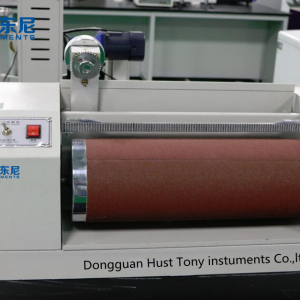
DIN Abrasion Tester|Rubber Wear Tester -Manufacturer-HUST TONY
Read more -
 Leather&Shoes Testing Machine
ROSS Shoes Sole |Rubber Flexing Tester HTF-036 China Factory
Read more -
 Leather&Shoes Testing Machine
Bally Flexometer|Leather Flexing Tester HTF-023 China Factory
Read more -
 Leather&Shoes Testing Machine
Anti-Yellowing Aging Test Chamber|UV Light Discoloration Tester HTE-008 China Factory
Read more -
 Leather&Shoes Testing Machine
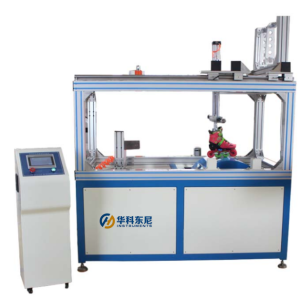
Roller Skates Durability Testing Machine TL-018-Manufacturer-HUST TONY
Read more -
-
