Daily Maintenance of Test Equipment: Simple Steps to Reduce Failure Risks
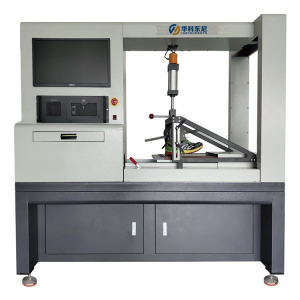
Test equipment serves as a core tool for enterprises to control product quality and ensure compliant production. Whether it is formaldehyde detectors for the furniture industry or various mechanical and environmental test equipment, their accuracy and stability directly determine the reliability of test results. Many enterprises neglect routine maintenance, which leads to frequent malfunctions and accuracy deviations. This not only raises maintenance costs but may also hold up production schedules. In fact, routine maintenance of test equipment does not involve complicated procedures. By following a few simple steps, you can effectively reduce the risk of breakdowns, extend service life, and keep the equipment operating stably to deliver consistent value.
Step 1: Conduct basic inspections before daily startup to prevent problems beforehand.
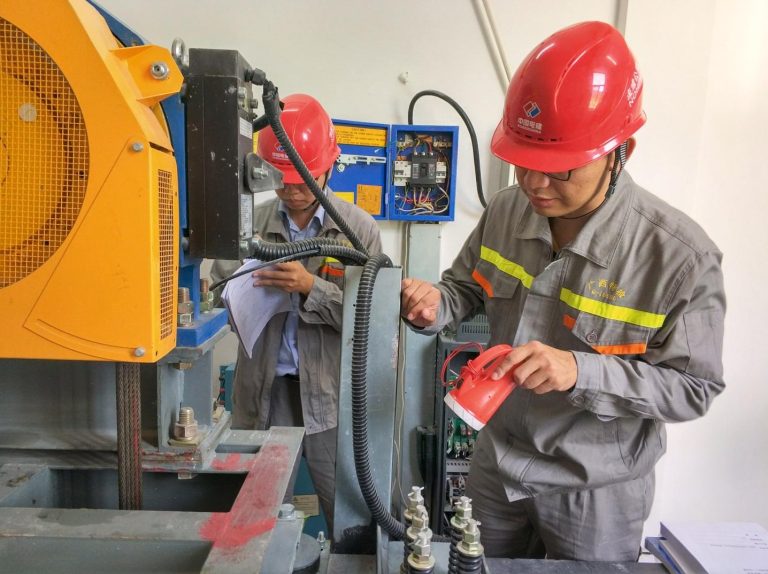
Pre-startup checks take little time and focus on three key areas. First, visual inspection: check that the equipment casing, ports and cables are intact with no damage, looseness or disconnection, to prevent short circuits or accuracy anomalies caused by poor contact. Second, environment check: make sure the equipment is placed in a dry, well‑ventilated area away from dust, moisture and high heat. In particular, protect core components from corrosive substances such as formaldehyde and dust. Third, power‑on self‑test: after switching on the equipment, wait for the self‑test sequence to complete. Confirm all parameters display normally with no error alerts before running tests. Never operate equipment with known faults.
Step 2: Clean and tidy up after daily use to reduce component wear.
Prompt cleaning after testing is critical to cutting down failures. Wipe the equipment exterior with a soft dry cloth to remove dust and stains. Dust ingress can block ports or abrade internal parts. For key components such as test probes and sensors, gently clean them with dedicated tools as specified in the operation manual. Avoid excessive force that may cause damage, and fit the dust cover after cleaning. In addition, arrange cables to prevent tangling and squeezing. Power off the equipment and store it properly for convenient use next time.
Step 3: Perform regular calibration and adjustment to sustain stable accuracy and eliminate hidden risks.
The accuracy of test equipment drifts slightly over time. Without timely calibration, test results will be compromised and component wear may accelerate, resulting in failures. Carry out calibration and adjustment periodically in accordance with the equipment usage frequency and manual requirements. Complete a basic calibration at least once a month to cross‑check readings against standard values and make adjustments as needed. Run a full inspection and adjustment every quarter to assess the working condition of core parts and identify latent faults. This ensures measurement accuracy continuously meets test requirements and minimizes failures originating from accuracy drift.
Step 4: Keep routine records, identify anomalies promptly and stop minor faults from escalating.
Many enterprises assume test equipment requires no maintenance as long as it still runs. What they overlook is that the cost of routine maintenance is far lower than the expense of breakdown repairs and equipment replacement. The four maintenance steps above are simple and easy to follow with no advanced expertise required. Spending 10 to 15 minutes each day, alongside regular calibration and record‑keeping, can greatly reduce failure risks and prolong equipment service life. This keeps test equipment in good working condition and provides solid support for compliant production and quality control. As the saying goes for test instruments: “30% of performance comes from operation, 70% from maintenance.” Consistent daily upkeep stops small issues from turning into major troubles and maximizes the return on your equipment investment.
Related Products
-
Leather&Shoes Testing Machine
DIN Abrasion Tester|Rubber Wear Tester -Manufacturer-HUST TONY
Read more -
Leather&Shoes Testing Machine
ROSS Shoes Sole |Rubber Flexing Tester HTF-036 China Factory
Read more -
Leather&Shoes Testing Machine
Bally Flexometer|Leather Flexing Tester HTF-023 China Factory
Read more -
Leather&Shoes Testing Machine
Anti-Yellowing Aging Test Chamber|UV Light Discoloration Tester HTE-008 China Factory
Read more -
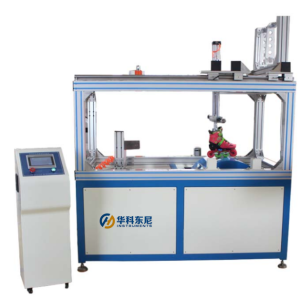
Leather&Shoes Testing Machine
Roller Skates Durability Testing Machine TL-018-Manufacturer-HUST TONY
Read more