An Analysis of the Critical Impact of Testing Equipment Calibration on Furniture Product Quality
An Analysis of the Critical Impact of Testing Equipment Calibration on Furniture Product Quality
Throughout the entire furniture manufacturing process, from raw material selection and production process control to finished product inspection before delivery, the accuracy of various testing instruments directly determines the scientific validity and reliability of quality assessments. As a key measure for ensuring the accuracy of these instruments, calibration is far more than a simple compliance procedure. It serves as an invisible line of defense throughout the entire furniture quality control process. Its significance extends well beyond basic instrument adjustment, having a profound impact on furniture product consistency, safety, and market competitiveness. It is also an important foundation for promoting standardization and high-quality development in the furniture industry.
At present, China’s furniture industry is transitioning from large-scale expansion toward quality improvement. Consumer demands are shifting from simply seeking functional furniture to expecting products that are comfortable, safe, and environmentally friendly. Meanwhile, market supervision is becoming increasingly stringent. The implementation of standards such as GB/T 3324-2017 General Technical Requirements for Wooden Furniture and GB 18587-2017 Indoor Decorating and Refurbishing Materials—Limit of Formaldehyde Emission from Wood-Based Panels and Finishing Products has raised the requirements for testing accuracy in the furniture industry.
However, the accuracy of testing instruments is not constant. During long-term use, factors such as changes in ambient temperature and humidity, component wear, and operational errors may cause deviations in instrument readings. If instruments are not calibrated in a timely manner, the very tools intended to ensure product quality may instead become sources of inaccurate judgments, potentially leading to various quality risks.
Unlike articles that focus primarily on calibration as a compliance requirement, the fundamental value of calibration lies in measurement traceability and accuracy. By comparing instrument measurement results against national or international metrological standards, calibration identifies measurement errors and provides correction values, ensuring the reliability and consistency of testing data and providing a scientific basis for furniture quality control.
1. Calibration of Testing Instruments Helps Control Raw Material Quality and Prevent Risks at the Source
The impact of testing instrument calibration on furniture product quality is first reflected in raw material inspection, where it helps prevent quality risks at the source.
Furniture manufacturing involves a wide variety of raw materials, including timber, wood-based panels, hardware fittings, coatings, and adhesives. The quality of each material directly affects the quality of the final product.
For example, wood-based panels are among the key raw materials used in furniture manufacturing. Their formaldehyde emissions, moisture content, compressive strength, and other properties must be evaluated using professional testing instruments.
If a formaldehyde detector has not been properly calibrated, measurement deviations may allow non-compliant raw materials to enter the production process. According to a recent sampling inspection conducted by consumer associations in Beijing, Tianjin, and Hebei, all 50 portable formaldehyde detectors purchased online failed to meet the relevant requirements, with the maximum measurement error reaching 237.7%. If similar inaccurate or uncalibrated instruments are used for raw material inspection in manufacturing enterprises, they may create a false impression that materials meet the required standards. As a result, furniture containing excessive formaldehyde may be produced, posing potential health risks to consumers.
Similarly, deviations in wood moisture meters may result in inadequate drying of timber, increasing the likelihood of cracking and deformation during subsequent processing and reducing furniture service life.
If testing instruments used to measure the hardness and tensile strength of hardware fittings are not calibrated, components with insufficient strength may be used in furniture assembly, potentially causing loosening, breakage, and other safety hazards during use.
Only through regular calibration can manufacturers ensure the accuracy of various raw material testing instruments, effectively screen out non-compliant materials, and establish the first line of defense for furniture product quality.
2. Calibration Is Essential for Maintaining Product Consistency and Stability During Manufacturing
During production process control, testing instrument calibration is essential for maintaining product consistency and stability.
Furniture manufacturing involves multiple processes, including cutting, sanding, assembly, and coating. Quality deviations at any stage may result in defective finished products.
For example, when measuring furniture dimensions, uncalibrated three-dimensional measuring instruments or measuring tapes may produce inaccurate readings, resulting in mismatched component dimensions. This can lead to gaps, loose connections, and other assembly problems that negatively affect the user experience.
During the coating process, improperly calibrated gloss meters and colorimeters may cause inconsistencies in surface color and gloss levels, compromising the appearance of furniture and potentially triggering customer complaints.
For upholstered furniture, calibration of sofa backrest durability testing machines and mattress fatigue testing machines is particularly important. If parameters such as loading force and test frequency deviate from their intended values, the instruments may fail to accurately simulate long-term human use. This can result in quality problems such as loose sofa backrests and mattress sagging, ultimately reducing product durability.
In addition, for metal furniture, instruments such as coating adhesion testers and salt spray test chambers require regular calibration. Otherwise, corrosion resistance testing results may be inaccurate, potentially allowing products with inadequate protective performance to pass inspection. During actual use, this may lead to coating peeling, rust, and other problems that affect both service life and product safety.
Regular calibration ensures that testing data throughout each production stage is accurate and reliable. It also enables manufacturers to identify deviations in a timely manner, adjust production processes accordingly, and maintain consistent product quality across mass-produced furniture.
3. Calibration Serves as the Final Quality Gate Before Finished Products Leave the Factory
Calibration of testing instruments also plays a critical role in final product inspection, directly affecting whether furniture products can enter the market in compliance with applicable requirements and gain consumer trust.
Finished product inspection is a key stage before furniture leaves the factory. Various testing instruments are used to comprehensively evaluate mechanical performance, environmental performance, safety characteristics, and other quality indicators. Products can only be released for sale after confirming that they meet applicable national and industry standards.
Practical experience from professional institutions, including national furniture quality inspection and testing centers, demonstrates that all testing equipment must be calibrated regularly to ensure the reliability and authority of inspection results and provide credible evidence of product quality.
If finished product testing instruments have not been calibrated, non-compliant products may enter the market.
For example, an improperly calibrated furniture flammability tester may fail to identify products that do not meet fire-retardant performance requirements, creating potential fire hazards.
Measurement deviations in mechanical performance testing equipment used for sofas and chairs may result in products with inadequate load-bearing capacity or durability passing inspection, increasing the risk of structural damage during use.
Similarly, inaccurate formaldehyde emission testing instruments may allow products with excessive formaldehyde emissions to reach consumers, threatening their health while exposing manufacturers to regulatory penalties and reputational damage.
The previously reported Ziroom formaldehyde controversy also highlighted the importance of reliable testing. The third-party testing organization involved was reported to lack the relevant certification qualifications, and its testing results were called into question, ultimately triggering a crisis of consumer confidence. This case further illustrates how the reliability of testing tools, including proper calibration, is closely linked to corporate credibility.
By contrast, standardized instrument calibration ensures that finished product inspection data is authentic and accurate. This helps prevent non-compliant products from entering the market, protects consumer rights and interests, and safeguards a company’s brand reputation.
4. Calibration Helps Reduce Costs and Strengthen Corporate Competitiveness
From the perspective of industry development and long-term business interests, testing instrument calibration is also an important measure for reducing operational costs and improving core competitiveness.
Some small and medium-sized furniture manufacturers mistakenly regard instrument calibration as an additional operating expense, overlooking the hidden losses that may result from using uncalibrated equipment.
For instance, a machinery processing factory once experienced a quality incident involving three uncalibrated torque wrenches, resulting in 1,200 defective products and direct losses of RMB 2.8 million. This case offers an important warning for the furniture industry as well.
Uncalibrated instruments may lead to raw material waste, production rework, and finished product scrappage, all of which increase manufacturing costs. If defective products enter the market, manufacturers may also face customer complaints, product recalls, regulatory penalties, and further financial losses.
Regular calibration, on the other hand, helps reduce measurement errors, lower rework and rejection rates, and minimize production costs.
At the same time, accurate testing data provides manufacturers with a scientific basis for optimizing production processes and improving product quality, enabling them to develop high-quality products and establish differentiated competitive advantages.
Furthermore, as China’s furniture export trade continues to expand, international markets are imposing increasingly stringent quality requirements. International standards such as EN 1728 and BIFMA X5.1 specify requirements for furniture performance testing and the associated testing procedures.
Only through standardized instrument calibration can manufacturers ensure that their testing data meets applicable international requirements, overcome technical barriers to trade, and enhance the international competitiveness of Chinese furniture products.
5. Establishing a Scientific and Sustainable Instrument Calibration System
It is important to recognize that testing instrument calibration is not a one-time task. Rather, it is an ongoing process that requires a systematic approach and a scientifically designed calibration schedule based on factors such as instrument usage frequency, operating environment, and accuracy requirements.
According to common industry practices, critical testing instruments are generally recommended to undergo calibration every six months, with a comprehensive calibration performed annually. For high-precision testing instruments, calibration should be conducted by qualified metrology institutions authorized by the relevant national metrology authorities or by the instrument manufacturers, ensuring that calibration results are authoritative and reliable.
At the same time, enterprises should establish comprehensive calibration records to document key information, including calibration dates, results, and service providers. This ensures the traceability of the calibration process and helps prevent missed inspections and inaccurate testing.
In addition, enterprises should strengthen training for testing personnel to improve their awareness of the importance of calibration and standardize instrument operating procedures. Proper operation helps prevent measurement deviations caused by human error and further ensures the accuracy and reliability of testing data.
Conclusion
In summary, testing instrument calibration is an indispensable part of the furniture quality management system. Its impact on furniture product quality extends throughout the entire process, from raw material selection and production process control to final product inspection before delivery.
Calibration not only helps prevent quality risks at the source and ensures product consistency and safety, but also enables manufacturers to reduce costs, strengthen brand credibility, and improve market competitiveness.
As the furniture industry moves toward higher quality and greater standardization, enterprises should abandon the misconception of prioritizing production while neglecting calibration. Instead, they should attach greater importance to testing instrument calibration and establish a scientific and comprehensive calibration management system.
By relying on accurate and reliable testing data to support continuous product quality improvement, manufacturers can contribute to the sustainable and healthy development of the furniture industry.
Meanwhile, relevant regulatory authorities should strengthen supervision and provide guidance on testing instrument calibration in furniture manufacturing enterprises, standardize calibration practices, and encourage manufacturers to establish stronger quality assurance systems.
Through joint efforts, the industry can better protect consumer rights and interests while promoting the long-term, high-quality development of China’s furniture sector.
Related Products
-
-
-
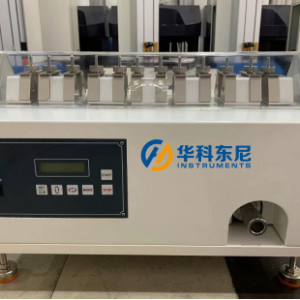 Leather&Shoes Testing Machine
Leather Flexing Tester HTX-020-For Shoes Cover Flexing-Manufacturer
Read more -